
How to Dismantle a Sofa for Disposal


Common understanding is that the average sofa lasts between 7 and 15 years. Still, every homeowner knows that it isn’t entirely true: the actual lifespan of your sofa depends on how much you use the sofa, how many times you move it, or how often your kids make it into a DIY bouncy castle! A well-loved, well-bounced and (if you have a dog) well-chewed sofa could last about 4 years, if that.
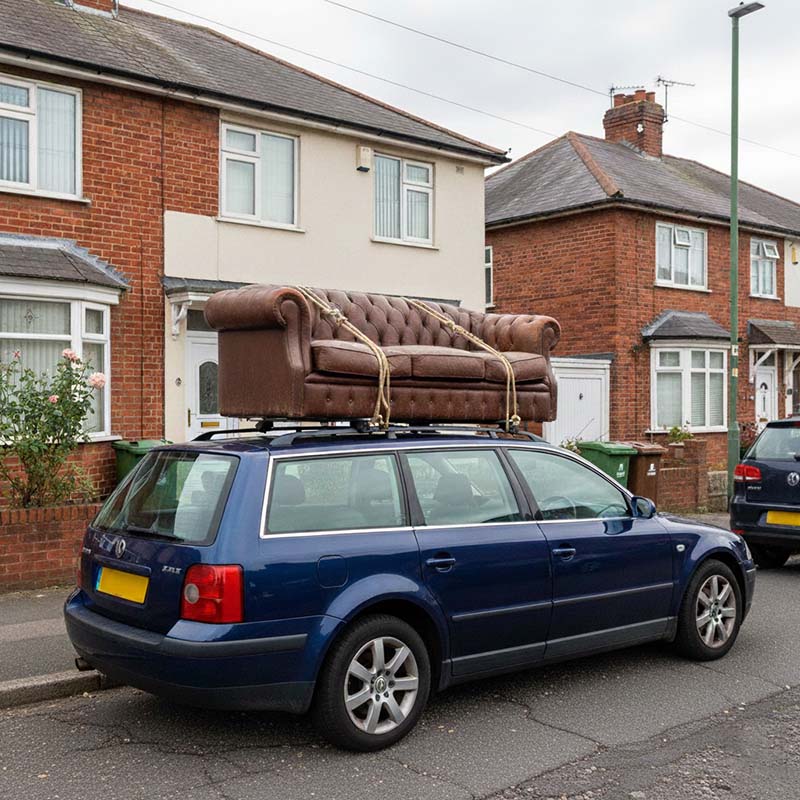
If your sofa has reached the end of its working life, it’s time to get rid of the old one to bring in something new. That’s easy for us to say, but not so easy for you to carry out when you’re faced with a three-meter couch that’s embedded into your living room carpet. It’s unreasonable to expect yourself to get it out of the door in one piece. Most cars will struggle to allow you to drive yourself to the recycling centre with an intact sofa on the roof - Mr Bean could only just fit his armchair! – which is why you need to know how to take your sofa apart before you head to the tip.
Before you start, if you don’t want the faff of dismantling your sofa, a furniture removal and disposal specialist will take care of it for you and save you the hassle. But if you want to dispose of it yourself at the local tip, read on…
Why Should You Dismantle a Sofa Before Disposal?
Nobody wants to strap a sofa to the roof of their car, drive all the way to the tip with limited visibility, or risk damaging the interior of their vehicle by cramming a sofa in it. Sofas are a liability to get out of the house, a liability to transport, and a liability to dispose of at the end of the line if you do not know what you are doing. Taking your sofa apart will reduce that liability at least a little, and it’ll make the whole process a lot less stressful, too!
Even if you’re not disposing of your sofa yourself, it may be easier for your waste disposal company to remove it in sections, as long as the foam remains intact (more on that in a moment). That’s why knowing how to break up a sofa is an important life skill, even if you outsource your waste disposal.
Why Should You Be Careful When Dismantling a Sofa?
Sofa foam is risky to expose because of POPs waste. POPs - or Persistent Organic Pollutants - stem from chemicals used as fire retardants in upholstery. Their real fame, however, is rooted in the uncanny ability to resist decomposition. It’s estimated that POPs take centuries to decompose, working their way into soil, waterways and the stomachs of animals along the way.
The only current way to destroy POPs is to incinerate the item entirely. If they’re left to rot in any other way (such as in landfill sites), it will damage the surrounding environment and wreak havoc on the ecosystem.
All of that to say: you need to be careful while you pull your sofa apart, especially if it’s an older model. Sofa foam may contain POPs that can pollute your house, your garden and the surrounding waste if exposed improperly. That’s why we strongly recommend deconstructing your sofa according to the instructions and avoiding the ‘rage room’ method of taking a hammer to the supports.
Also, local tip sites often refuse disposal of upholstered furniture that is visibly damaged and has exposed foam. For this reason, you need to ensure you dismantle your sofa correctly.
How to Dismantle a Sofa: The DIY Handbook
Like all furniture, every sofa is individual. Some are made of metal and foam, some have springs, and some are boarded with wood. If you are lucky, you kept the instruction manual to understand how to dismantle it.
Despite this, there are a few fundamental similarities that offer a broad guide on how to dismantle a sofa without needing to know every detail of your own. Just make sure you follow DIY safety tips when working with sharp screws and tense springs.
How to Dismantle an Old or Static Sofa
In the UK, POPs stopped being used in 2012. If you bought your sofa from a UK manufacturer after 2012, you shouldn’t need to worry about exposing the foam as you break up your sofa.
Please note: Many waste companies and Household Waste Recycling Centres do not accept damaged items with foam exposed, as they cannot verify that they do not contain POPs and guarantee the safety of their employees.
If you are not sure when and where your sofa was manufactured, you should treat it as though it contains POPs and dismantle it as carefully as possible to avoid contaminating your home and the environment. Here are a couple of tips you should follow to help you disassemble your old sofa without causing a hazard.
- Store it inside: Never store upholstered items outside, even when you’re working on disassembly. Rain can wash POPs waste out of the foam and into the environment, polluting your garden and the surrounding environment. It’s better to hold off on replacing your sofa until you’ve removed the old one safely.
- Remove detached components: Before you get started, you can make your job easier by removing anything that isn’t attached. That includes couch cushions, throws, mattresses, blankets and any toys that the kids have stuffed into the gaps over the years. Once you’ve done that, you’ll have a blank slate to work with.
- Assess the upholstery: You should avoid exposing the foam underneath the fabric. If it’s impossible to remove the upholstery without tearing into it, it’s far better to leave your sofa intact and call a man and van service to remove it for you.
How to Take Apart a Sofa from IKEA or Swyft
When you buy a sofa from IKEA or Swyft, you’re essentially buying a ‘sofa in a box’. If you need to construct it before use, the chances are that you can dismantle it just as easily by following the same instructions backwards. Crack out the manual that you used to build your sofa - you kept it in a drawer, right?! - and follow the instructions in reverse.
If you can’t find the assembly instructions, many companies, such as IKEA, will still have the assembly instruction manuals on their website, found on the product page. If the item is discontinued, there are websites such as Easy Rebuild that host discontinued IKEA product instruction manuals.
- Assess the upholstery: Yes, this step applies to IKEA sofas as well. POPs continued to be used outside the UK until 2019, so even relatively recent IKEA or Swyft couches may contain POPs if they were manufactured before that point.
- Same tools, same instructions: The best way to dismantle an IKEA or Swyft sofa is to reverse the instructions. Pull out the tools provided by the manufacturer you used to build the sofa, or open your toolbox. Open the last page of the manual and start working backwards. You can usually remove the arms and back of a flat-packed sofa by simply unscrewing a couple of bolts around the fixture.
How to Dismantle a Recliner Sofa
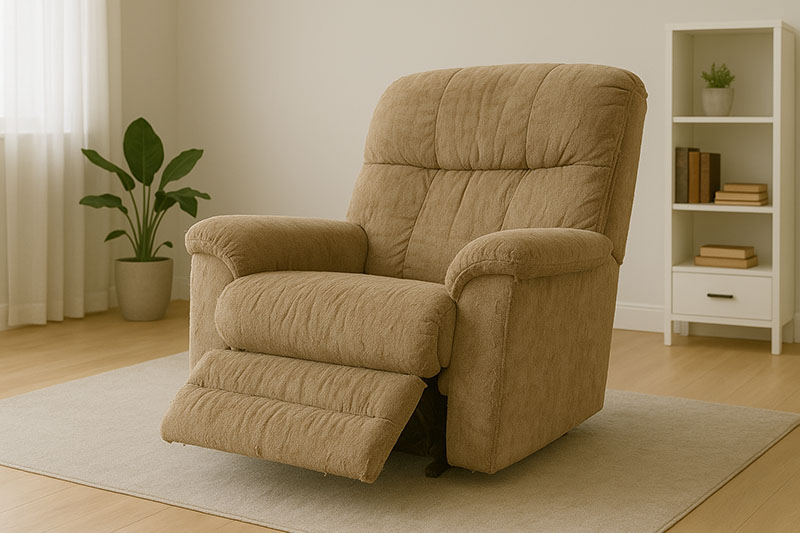
Recliner sofas are by far the most complex sofas to dismantle. The moving mechanism also poses a hazard to anyone dismantling it - the last thing you want to do is to trap an arm or finger inside the moving parts. With mechanical chairs, it’s far better to call in a man and van collection and get rid of the entire chair whole: you won’t risk life and limb that way!
Still Can’t Dismantle Your Sofa?
If, after reading this guide, you still aren’t sure where to get started, and you don’t want to risk damaging the foam, or you are unsure or worried about POPs, don’t fear! Book a collection with our man and van team, and we will come and collect and dispose of your sofa or armchairs for you.