
What Is Zero Waste and Why Does It Matter?

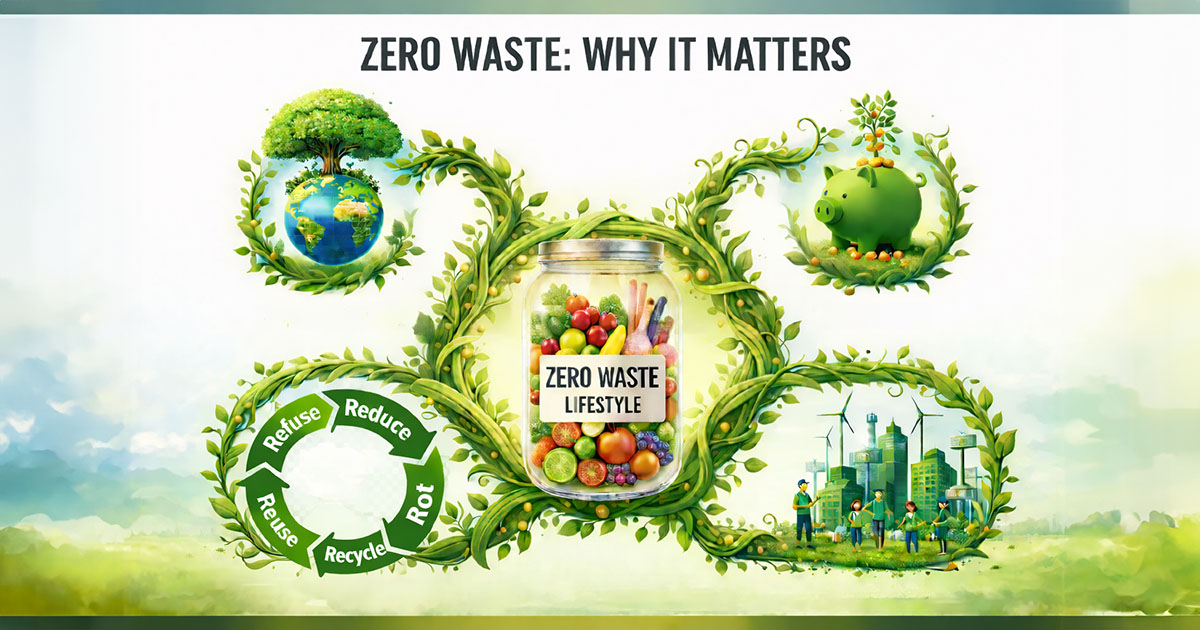
Zero waste is a lifestyle and waste management approach that aims to prevent at least 90% of waste from being sent to landfill or incineration. It focuses on reducing consumption, reusing materials, and keeping resources in circulation for as long as possible.
This definition aligns with the principles set out by the Zero Waste International Alliance, which describes zero waste as a goal to redesign resource lifecycles so that materials are reused rather than discarded. Their guidance emphasises progress over perfection, encouraging continuous waste reduction rather than absolute elimination.
Zero waste encourages people and businesses to rethink how products are designed, used and disposed of within local council waste systems. The goal is to reduce unnecessary waste at the source — not simply manage it after it has been created.
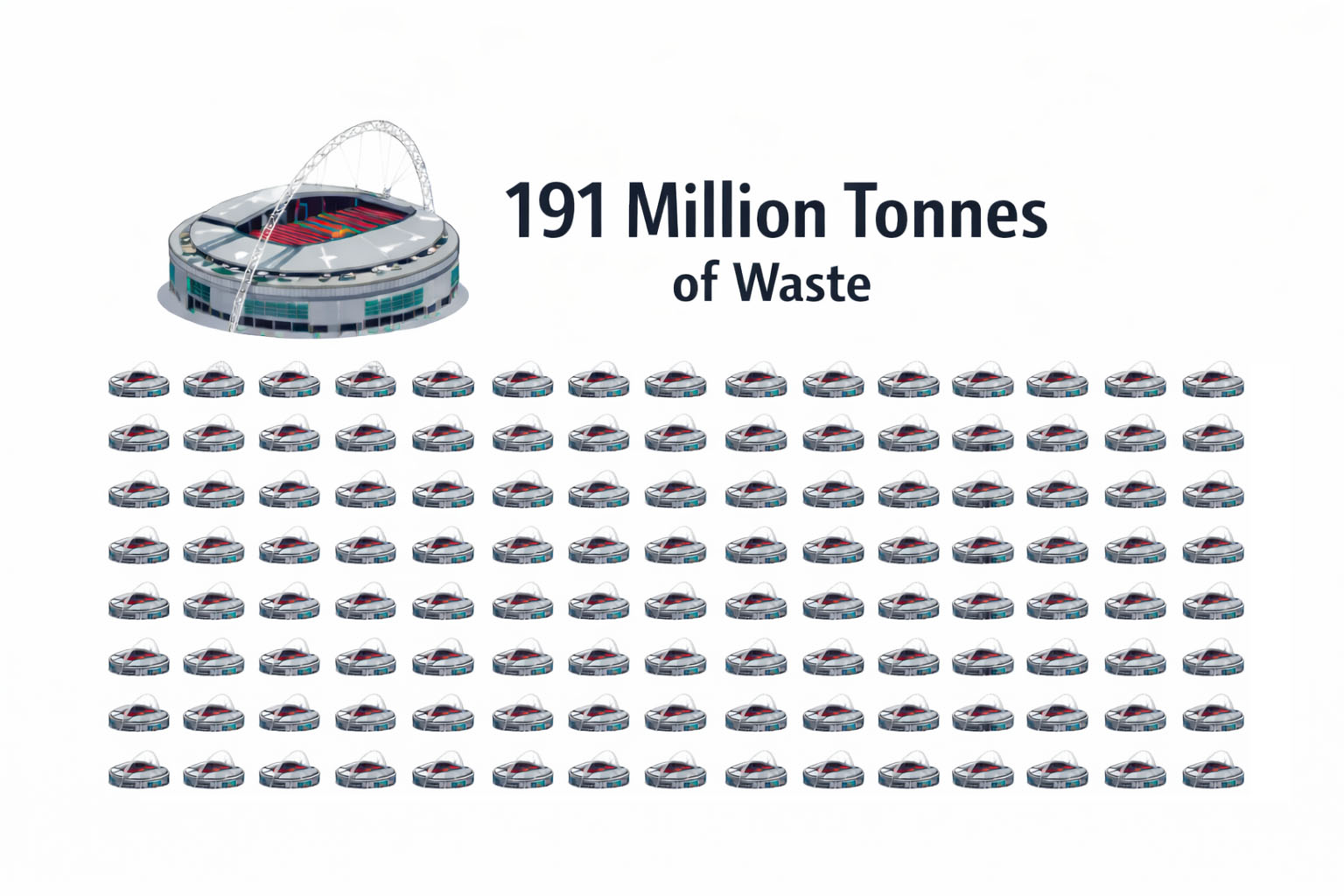
In the UK, this shift is increasingly important. According to Defra, in 2020 alone, the UK generated 191.2 million tonnes of waste – enough to fill Wembley Stadium more than 120 times – with England responsible for around 85% of the total. That volume of waste places significant pressure on landfill capacity, increases carbon emissions, and creates long-term environmental and public health challenges.
The zero waste movement addresses these issues by promoting smarter consumption and better resource use. It prioritises refusing what we do not need, reducing what we use, reusing items wherever possible, and treating recycling as a last resort — not the default. Across the UK, this approach is already taking shape, with around 200 zero waste shops helping communities cut waste before it enters the system.
Why Is a Zero Waste Lifestyle Important?
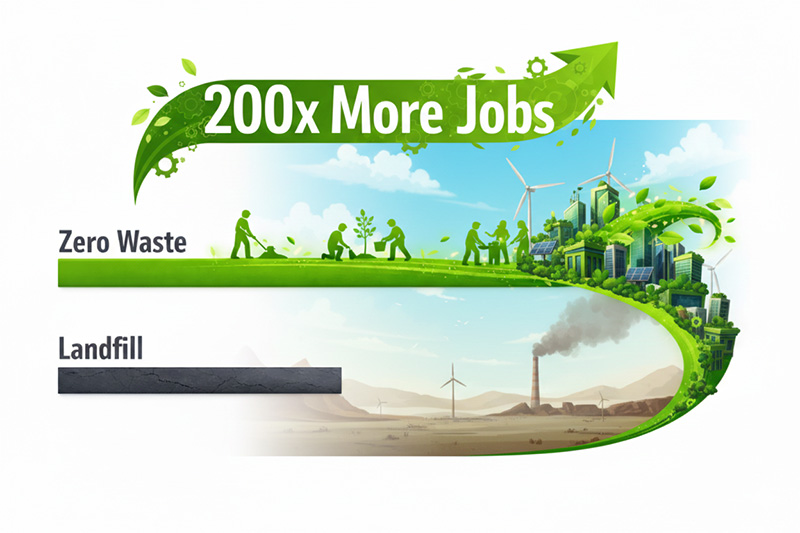
By rethinking what we buy, use and throw away in the UK, households can ease the strain we put on landfill sites, recycling facilities and local council services. And it’s not just good for the planet — it benefits the economy too. Globally, Global Alliance for Incinerator Alternatives (GAIA) has found that zero waste systems create over 200 times more jobs than landfill and incineration. In the UK, WRAP and Green Alliance has found moving towards a proper circular economy could generate over 200,000 new jobs by 2030, proving that less waste can mean more work and better skills.
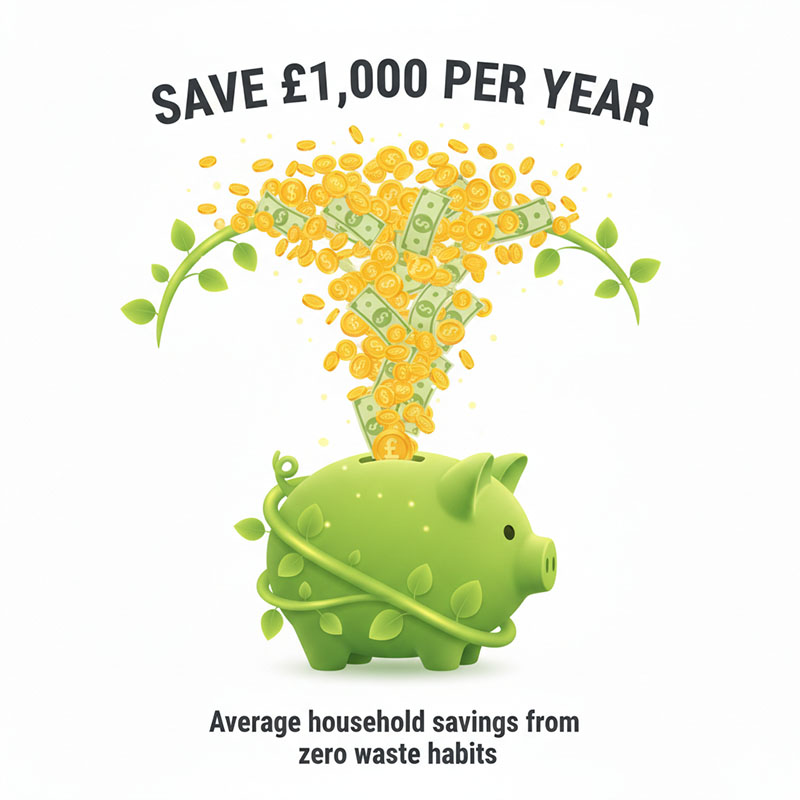
Living a zero waste lifestyle also helps tackle food waste. By buying only what we need and refilling when necessary, households can save money and waste less. In the UK, WRAP has discovered that families still throw away the equivalent of eight meals a week, much of which ends up in local authority food waste or general waste collections, and wasting about £720 each year. They also stated that adopting zero waste habits can save the average household around £1,000 a year. Reducing food waste also means less rotting in landfill, which lowers methane emissions and helps cut greenhouse gases.
Switching to refillable containers and avoiding single-use plastics also reduces microplastics — tiny plastic particles that come from larger plastics breaking down or being added during production. Recent scientific studies have detected microplastics in human blood, muscle tissue and even the placenta. Although research is ongoing, we know that plastic pollution remains a health concern, especially for children. Choosing reusable products and cutting unnecessary plastic are simple steps that make a big difference.
What Are the 5 Rs of Zero Waste?
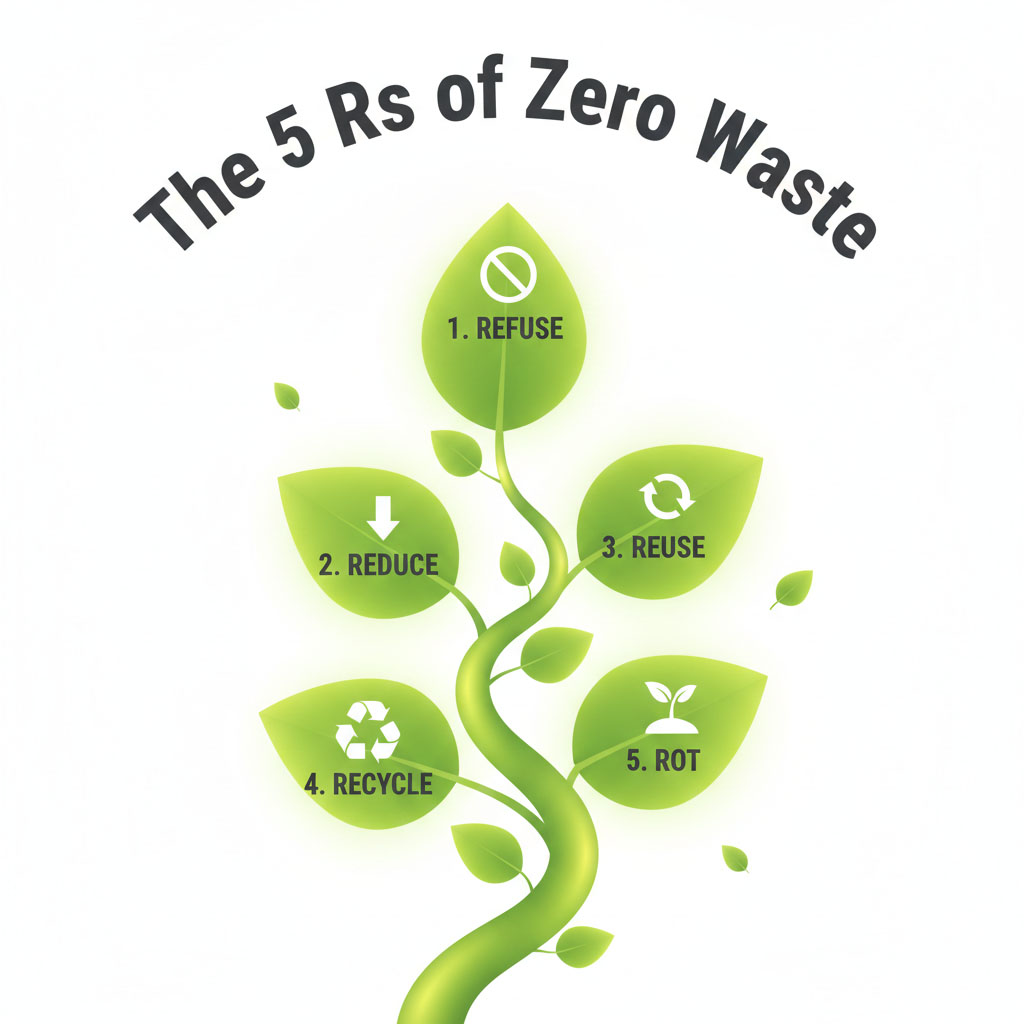
The zero waste approach is often guided by five key principles, known as the five Rs. The 5 Rs of zero waste are a framework used to minimise waste by prioritising refusal and reduction before recycling or disposal. They are: Refuse, Reduce, Reuse, Recycle and Rot.
1. Refuse
Say no to things you don’t need — like freebies, junk mail, single-use items and excess packaging. The less you bring home, the less you’ll have to bin later.
2. Reduce
Use less wherever possible. Choose quality over quantity and think twice before buying. Cutting back helps conserve resources and cuts waste at the source.
3. Reuse
Swap disposables for reusables — coffee cups, water bottles, shopping bags and containers. Repair or repurpose what you can and share or donate to extend an item’s life.
4. Recycle
If you can’t refuse, reduce or reuse, recycle — but do it properly. Follow your local UK council’s recycling guidelines, rinse items, and sort them correctly. Avoid ‘wishcycling’, which can cause more harm than good.
5. Rot
Compost whatever’s left, either at home or through your local UK council food and garden waste collections. Food scraps, garden waste and even some packaging can become nutrient-rich compost instead of rotting in landfill. If you’re not sure how to deal with green waste, learn how to sustainably dispose of your garden waste with our helpful guide.
How Can You Live a Zero Waste Lifestyle?
- Bring your own bags, jars and containers when you shop.
- Choose loose fruit and veg instead of pre-packaged options.
- Buy in bulk to reduce packaging waste.
- Support local zero waste shops in your area — you can find one using our guide below.
- Use a reusable water bottle and coffee cup.
- Swap cling film for beeswax wraps or reusable containers.
- Opt for rechargeable batteries instead of single-use ones.
- Repair clothes, electronics and furniture rather than replacing them.
- Buy second-hand items or borrow things you only need occasionally.
- Drop off hard-to-recycle items like soft plastics or textiles at designated collection points.
FAQs
How Can You Find a Zero Waste Shop Near You in the UK?
Thinking about going zero waste? Use the Zero Waste Locator tool to find local refill shops, eco-friendly stores and independent retailers near you. We also share quick guides to some of the best zero waste shops in different areas, such as in Bristol.
Is zero waste actually achievable?
For most people, achieving absolute zero waste is unrealistic. However, the aim is progress, not perfection. In the UK, a zero waste lifestyle means significantly reducing waste, using council recycling and food waste collections correctly, and making conscious purchasing decisions to minimise unnecessary packaging.
What is the difference between zero waste and recycling?
Recycling deals with waste after it has been created, while zero waste focuses on preventing waste in the first place. The zero waste approach prioritises refusing, reducing and reusing items before recycling, as recycling still consumes energy and relies on effective local council systems in the UK.
Does zero waste mean you don’t use a bin?
No. Living zero waste does not mean eliminating your bin entirely. Most UK households will still produce some unavoidable waste. The goal is to reduce how often bins are emptied and to make better use of recycling, reduce food waste and the number of garden waste collections.
How can I start a zero waste lifestyle on a budget?
Starting zero waste does not require expensive products. Simple steps include using what you already own, buying only what you need, choosing loose fruit and vegetables, repairing items instead of replacing them, and using local refill shops where practical. These changes can reduce waste and save money over time.
At HIPPO, with over 20 years’ experience handling household and commercial waste across the UK we understand that living a completely zero-waste lifestyle isn’t always possible, which is why we’ve made it our mission to handle waste responsibly. We’re proud to state that over 95% of the waste we collect is diverted from landfill, helping to reduce environmental impact and conserve valuable resources. You can find more about our carbon neutral commitment and sustainable waste disposal services on our website.